
The 6 Week "All Clear"
The Myth of the "6-Week All-Clear": A Timeline for Postpartum Return to Sport
If you have had a baby, you know the drill: You wait anxiously for your 6-week postpartum checkup. The doctor checks your incision or healing, asks how you’re feeling, and then gives you the "green light" to return to exercise.
For many athletes and active moms, this signals a return to running, heavy lifting, or high-intensity interval training the very next day.
But new research suggests this "all-clear" might be setting women up for failure. A 2022 clinical commentary published in the International Journal of Sports Physical Therapy argues that the current medical standard is insufficient for athletes.
Here is why the 6-week mark is just the beginning, and what a safe, evidence-based return to sport actually looks like.
The Gap in Care
Currently, referral to physical therapy is not considered standard care for postpartum women in the United States. Because of this lack of guidance, many women navigate their return to sport alone.
The statistics are telling:
75% of postpartum runners return to running within 8 weeks of delivery.
However, more than one-third of these runners experience pain and urinary incontinence upon their return.
The study highlights that while the 6-week checkup provides medical clearance (meaning tissues have healed enough to not be an immediate medical risk), it does not provide musculoskeletal clearance (meaning your muscles are strong enough to handle the load of sport).
Birth is a Major Musculoskeletal Event
To understand why we need a longer recovery runway, we have to look at what happens to the body during pregnancy:
Abdominal Stretch: By 38 weeks, the abdominal muscles are stretched to 115% of their resting length.
Pelvic Floor Trauma: During vaginal delivery, the pelvic floor muscles stretch to 250% of their resting length.
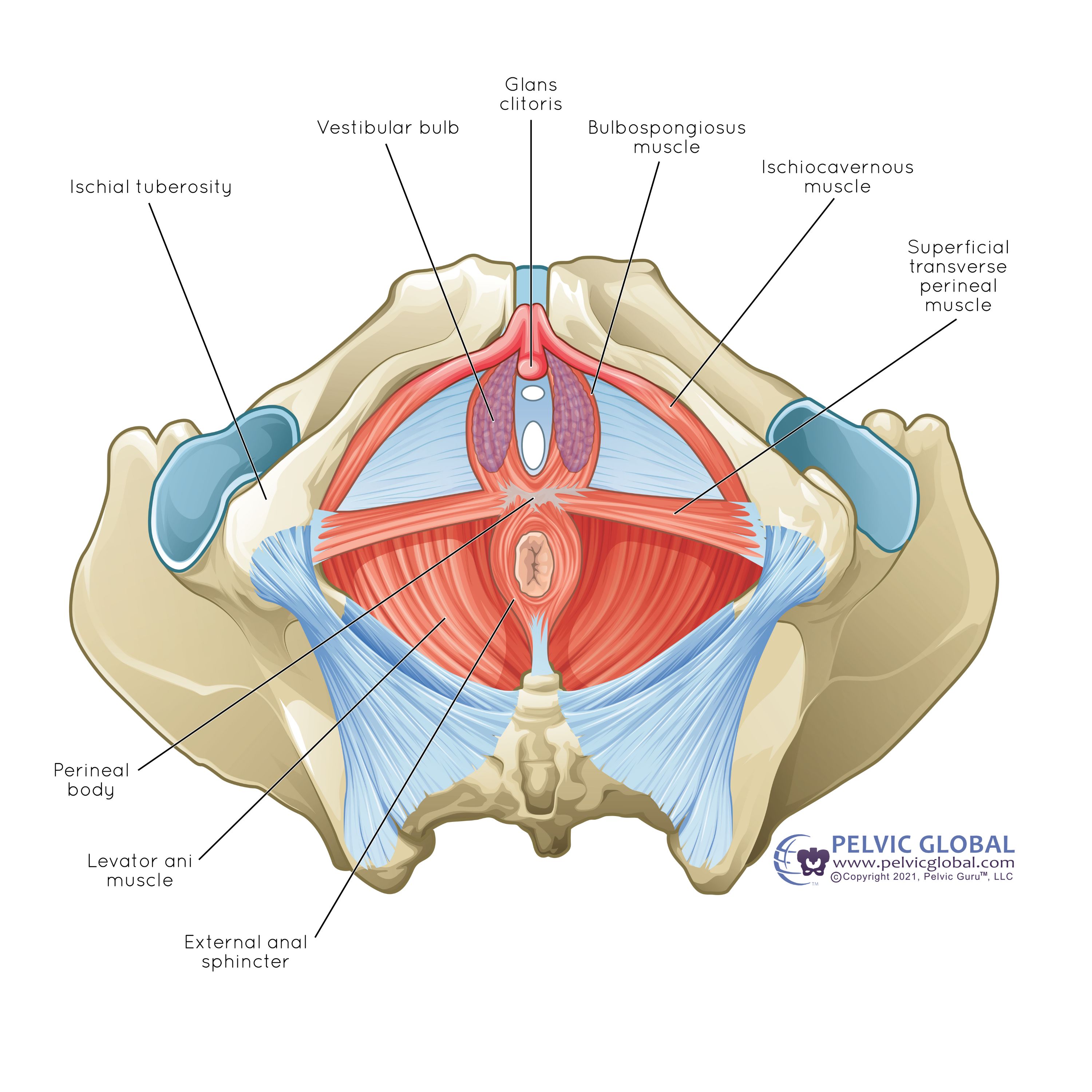
Connective Tissue Healing: Recovery of the pelvic floor muscles and connective tissue maximizes around 4 to 6 months postnatal—long after that 6-week visit.
The authors of the study argue that birth should be treated like a major orthopedic event (similar to an ACL surgery), requiring a graded rehabilitation timeline rather than a simple green light.
The Evidence-Based Timeline
The study proposes a phased approach to recovery that respects tissue healing and functional demand.
Phase 1: Recovery & Connection (Weeks 0–6)
The goal here isn't "working out"—it is active rest and reconnecting with your core.
Walking: Begin with short bouts (less than 10-15 minutes) and increase only if symptom-free.
Breathing: Focus on diaphragmatic breathing to restore ribcage mobility.
Mobility: Gentle movements like thoracic rotation (open books) and pelvic tilts.
The Rule: Keep intensity very low (Rate of Perceived Exertion 0-2).
Phase 2: Building Capacity (Weeks 7–12)
Once you are cleared medically, the focus shifts to strength. This is not the time to run yet, but rather to prepare the body for impact.
Strength Training: Squats, lunges, bridges, and heel raises.
Core Control: Progressing to plank variations.
Walking: Gradual increase in duration and speed (below jogging pace).
Phase 3: Return to Sport (Weeks 12+)
For most runners and high-impact athletes, the study suggests waiting until at least 12 weeks to return to high-impact activity.
Before you lace up your running shoes, the authors recommend you should be able to:
Walk for 30 minutes symptom-free.
Pass the Run Readiness Scale, which includes completing the following for 1 minute each without pain or heaviness :
Step-ups
Wall sits
Single-leg squats
Double-leg squats
Plank hold.
When you do start running, use a walk/run interval (e.g., 1 minute jog, 2 minutes walk) to allow tissues to adapt.
Conclusion
The transition from pregnancy to peak athletic performance is a journey, not a switch you flip at 6 weeks. By following a graded rehabilitation protocol, you can reduce the risk of long-term issues like incontinence and prolapse.
If you are looking to return to exercise, consider finding a pelvic floor physical therapist to guide you through these phases.
References:
Selman R, Early K, Battles B, Seidenburg M, Wendel E, Westerlund S. Maximizing Recovery in the Postpartum Period: A Timeline for Rehabilitation from Pregnancy through Return to Sport. Int J Sports Phys Ther. 2022;17(6):1170-1183. 22