Wear Without Weary: Babywearing
Wear Without Weary: How to Baby wear Without Back Pain, Leaks, or Prolapse Symptoms
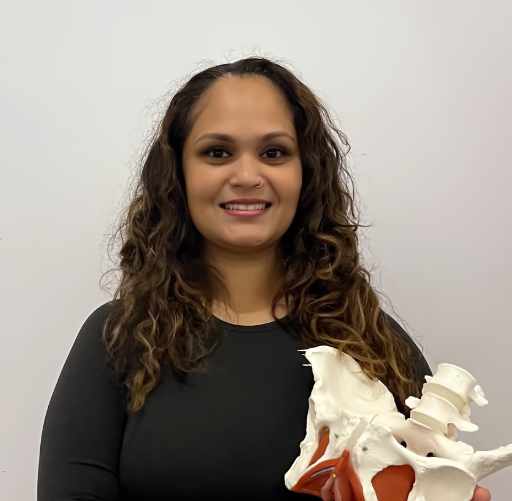
By: Dr. Veeda Ahmad PT, DPT
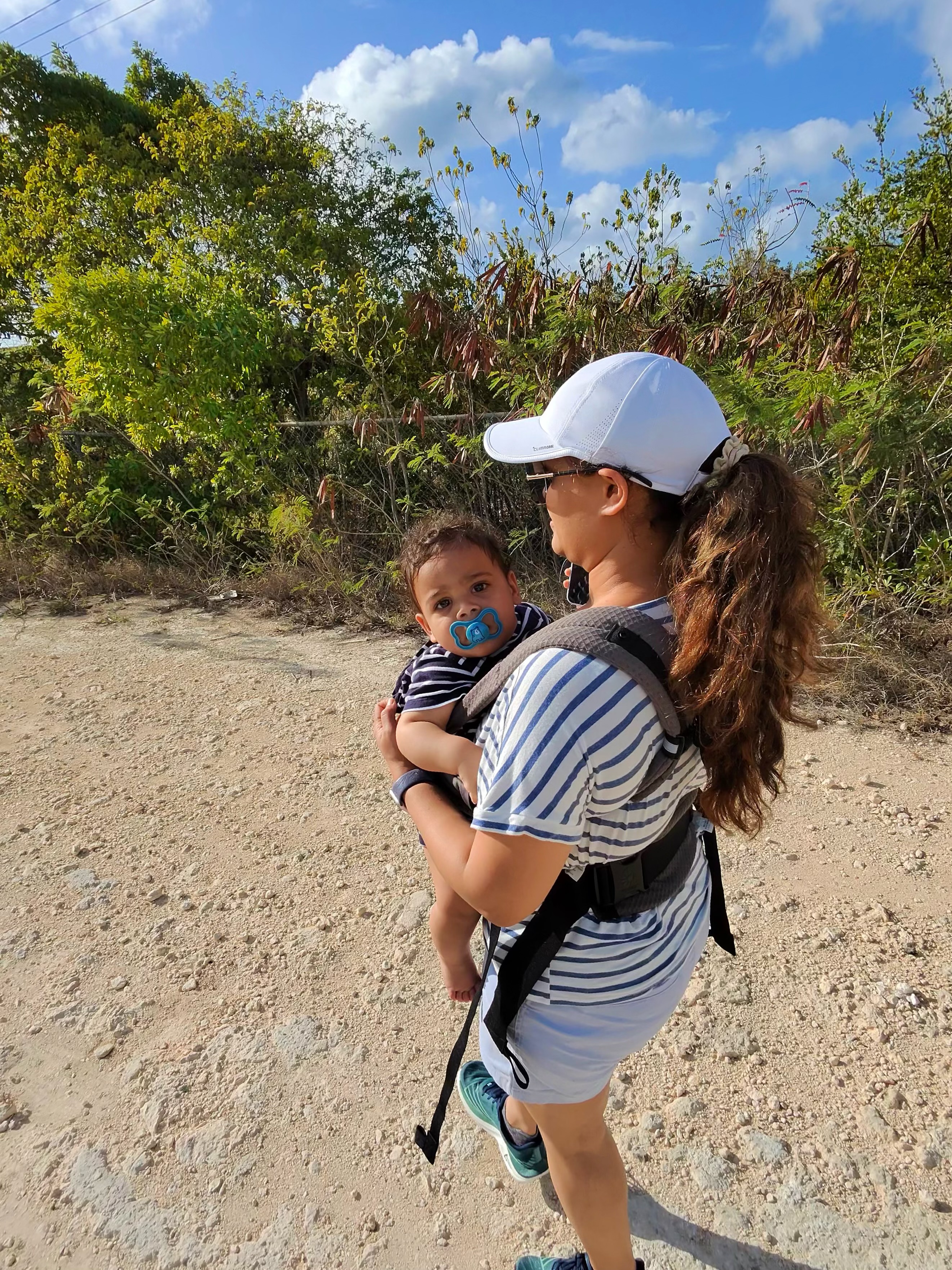
Baby wearing is a superpower. It keeps your little one close, leaves your hands free for a coffee (or a workout!), and lets you navigate the world with ease. But for active women who are pregnant or postpartum, this convenient tool can sometimes come with a hidden cost: pain, leakage, and pelvic floor symptoms.

If you’ve experienced lower back pain, a nagging hip ache, or felt a downward pressure (heaviness) after wearing your baby, you are not alone. As a women’s health practice dedicated to helping women stay strong and active, we know the postpartum body needs smart strategies to handle this new load.
Your body is strong, but it needs support and training to carry a growing baby—whether inside or outside the womb.
The Load Bearer: What Baby wearing Does to Your Body
Baby wearing impacts your body's foundation—your core and pelvic floor—and the way you hold and move your body. Here’s a breakdown of the common symptoms and their root causes:
1. The Core and Pelvic Floor Connection
Leaking During Exercise & Diastasis Recti: When you wear a baby, the weight changes your center of gravity, which puts extra pressure (or "load") through your core and down onto your pelvic floor. If you have a healing diastasis recti (abdominal separation) or an already weakened pelvic floor, this increased pressure can lead to symptoms like leaking (Urinary Incontinence) when you cough, jump, or exercise.
Pelvic Organ Prolapse (POP) Symptoms: For those with existing prolapse or who are at risk, the constant downward pressure of baby wearing, combined with poor posture, can increase feelings of pelvic heaviness, dragging, or bulge.
2. The Weight of the World: Back, Hips, Neck, and Shoulders
Lower Back and Hip Pain: Carrying weight—especially unevenly or with a compensating posture—forces your lower back and hip muscles to work overtime. You might arch your back more or shift your weight, creating muscle imbalances that lead to sharp or chronic lower back pain and hip pain.
Neck and Shoulder Pain: Your traps and neck muscles tense up to support the straps and the baby's weight, particularly if the carrier isn't properly adjusted or your shoulders are rounded forward. This often results in a stiff neck and persistent shoulder pain.
Your Solution: Pelvic Floor Physical Therapy (PFPT)
The good news? You don't have to choose between carrying your baby and feeling strong. Pelvic Floor Physical Therapy offers a targeted, evidence-based approach to resolve these issues and ensure you can wear your baby without weary.
How PFPT Addresses Babywearing Symptoms:
Optimizing Posture and Alignment: We don't just treat the pain; we find the root cause. A PT can help you identify and correct the specific postures and compensations you are making while wearing your baby, taking stress off your back, hips, and neck.
Core and Pelvic Floor Strategy: We help you retrain your core and pelvic floor to handle the added load. This involves targeted exercises that build stability and strength before the pressure hits, teaching you how to use your breath and deep core muscles to manage intra-abdominal pressure and protect against leaks or prolapse symptoms.
Lifting and Movement Mechanics: We provide practical, tailored strategies for all your daily movements—how to safely put the carrier on, take it off, and squat down while wearing your baby, ensuring you are using your powerful glutes and legs instead of straining your back.
Ready to enjoy your active baby wearing journey?
Stop guessing and start getting stronger. Join us for a deep dive into baby wearing mechanics, posture strategies, and personalized pelvic floor health tips.
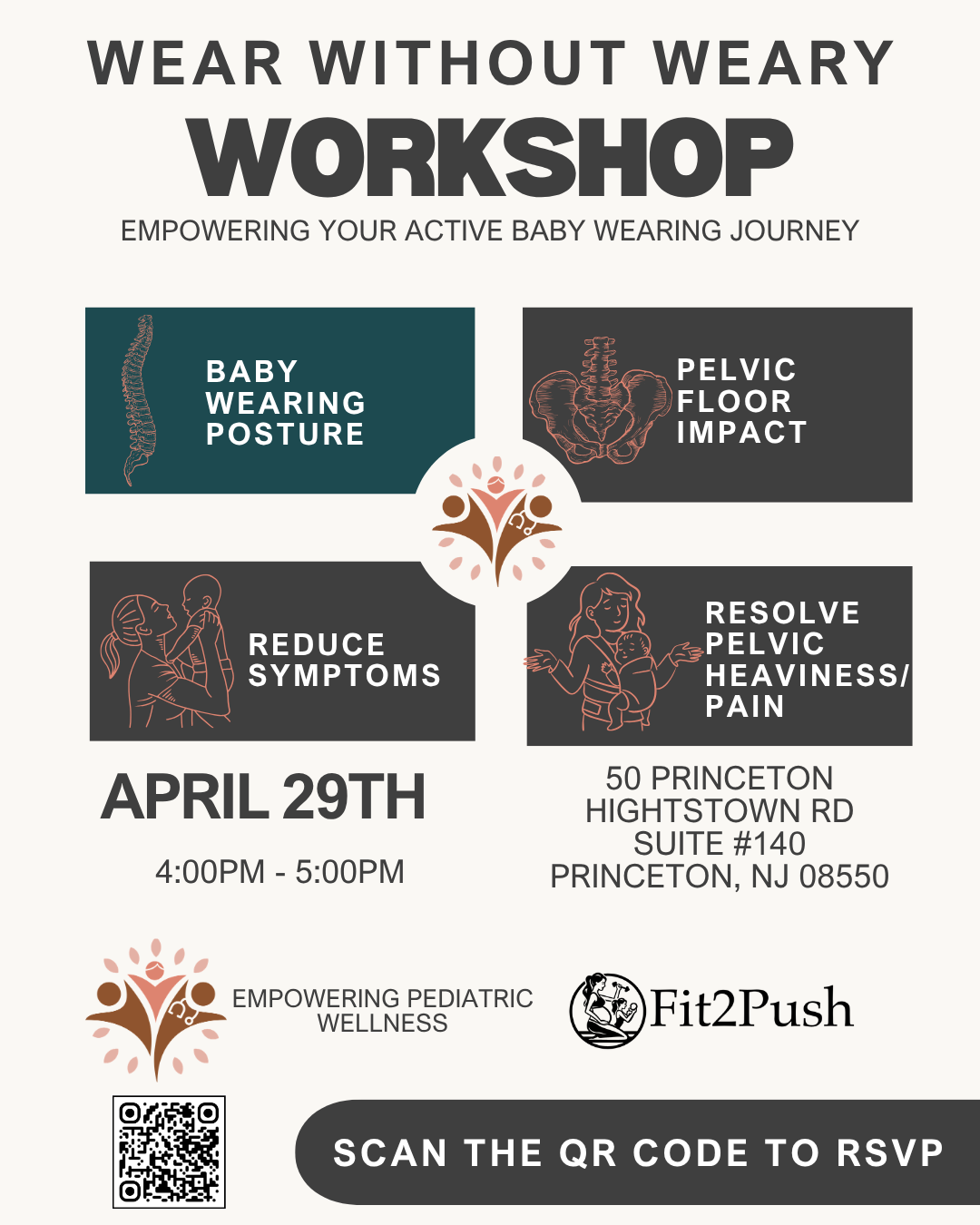
This collaborative workshop is your chance to get evidence-based education that will transform your baby wearing experience from a source of pain to a source of strength. We’ll show you how to move with confidence and keep your body ready for running, strength training, and all the high-level activities you love.
Take Action Now:
💻 Sign Up: Don't miss out! Click here to secure your spot for the Wear Without Weary Workshop!
🙋♀️ Inquire: Have questions about our concierge PT or virtual coaching? Visit our website to learn more about our services.
📸 Connect: Follow us on Instagram for daily tips and empowering content! @fit2push.drveeda