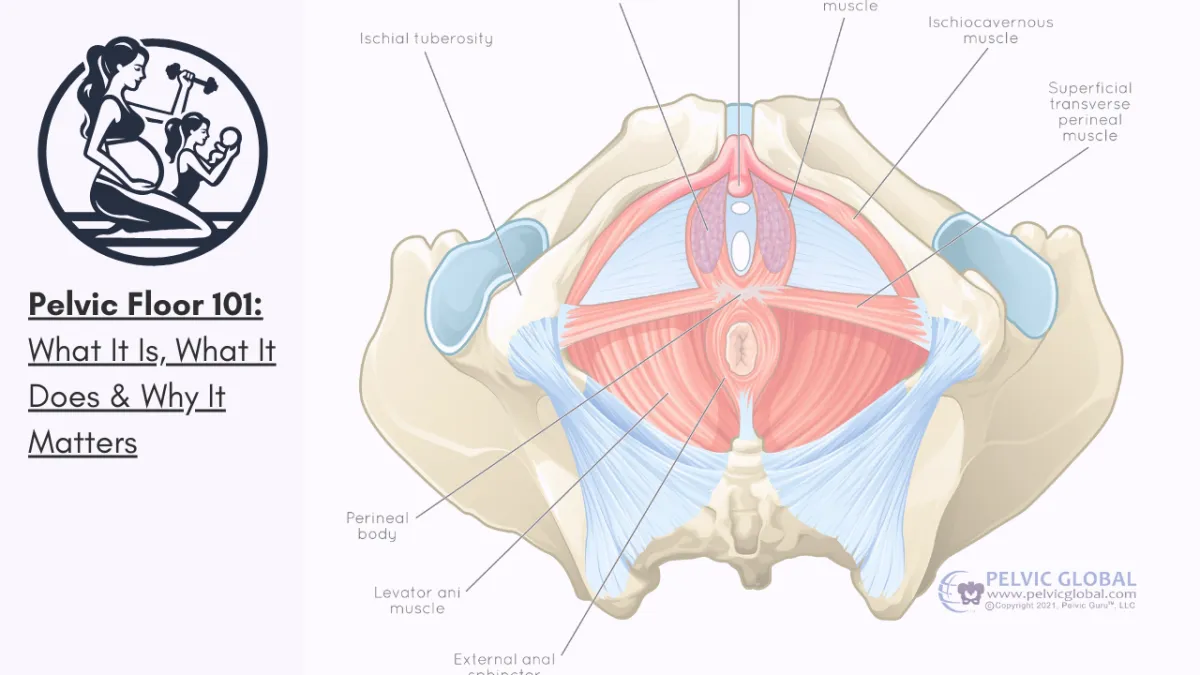
Pelvic Floor 101
Understanding Your Pelvic Floor: A Foundational Guide
Introduction
Many people have never head of their pelvic floor before, until something goes wrong - leaking urine,
unexplained pelvic pain, or difficulty resuming intimacy after childbirth. Yet these deep, often silent muscles are foundational to our core strength, continence, mobility and even sexual health. In this blog we'll unpack what the pelvic floor is, what it does and why taking care of it matters.
What Is the Pelvic Floor? Anatomy & Structure
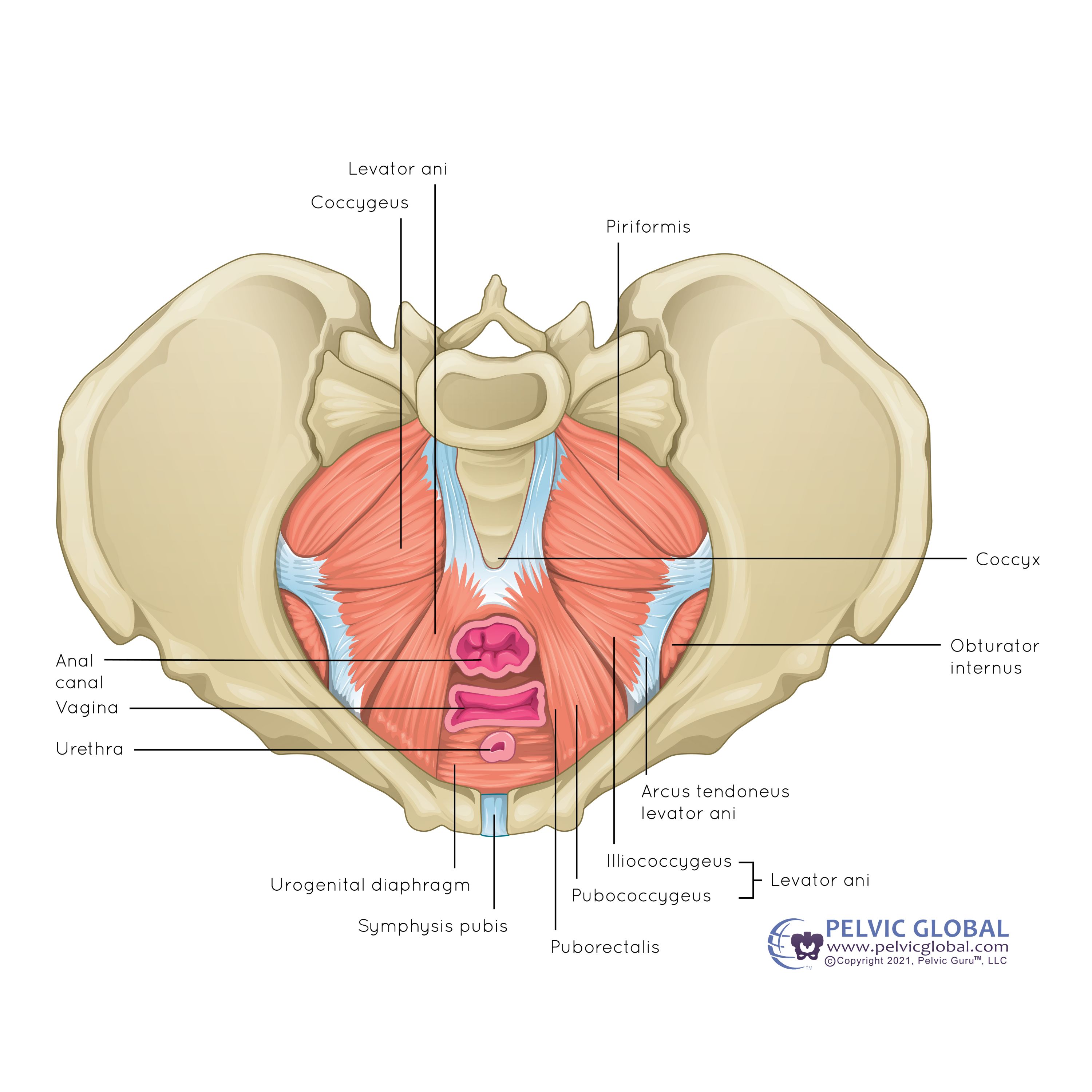
The pelvic floor is a group of muscles, that stretch from the pubic bone to the tailbone, forming the bottom of your pelvis. These muscles support the bladder, uterus, rectum and intestines. They also surround the openings of the urethra, vagina, and anus, helping control what goes in and out.
Think of the pelvic floor like a dynamic hammock - strong enough to support organs, flexible enough to move with breath and pressure and responsive enough to coordinate your whole core.
What Does the Pelvic Floor Do?
The pelvic floor plays several essential roles:
Support: Keeping your pelvic organs in place and preventing prolapse.
Continence: Helping control bowl and bladder function
Sexual Function: Pelvic floor contracts and relaxes for arousal and orgasm, it also needs to relax to allow for penetration.
Stability: The pelvic floor works with your diaphragm, deep abdominals muscles and the muscles of your back to provide postural and core support.
Sump Pump: The pelvic floor muscles work with your breath to help with blood flow out of the pelvis.
See Pelvic Floor 101: Youtube Video below
When Things Don’t Work Well
Pelvic floor dysfunction isn’t just about weakness. Muscles can also be too tight, poorly coordinated, or out of sync with breathing and pressure. Symptoms might include:
Leaking urine when laughing, coughing, or running
Constipation or difficulty fully emptying
Pain with sex or tampon use
A feeling of heaviness or pressure in the pelvis
Low back, SI joint, or hip pain that isn’t resolving with typical treatment
These symptoms are common, but they are not normal—and they’re treatable.
How Pelvic Floor Physical Therapy Can Help
Pelvic floor PT is a specialized form of therapy that helps assess and restore function in this area.
Treatment may include:
Internal or external muscle assessment
Manual therapy for muscle release or scar mobilization
Biofeedback to improve muscle coordination
Breathing and posture training
Exercises to strengthen, lengthen, or relax pelvic muscles
All care is tailored to your goals, whether that’s stopping leaks, preparing for birth, healing postpartum, or returning to pain-free sex or sport.
Your Next Steps
You can begin caring for your pelvic floor today:
Avoid straining during bowel movements—try a squatty potty or footstool
Breathe deeply and allow your belly and ribs to expand
Notice if you're holding tension in your abdomen, glutes, or jaw
Consult a pelvic floor PT if you notice symptoms or want a proactive check-in
In upcoming posts, we’ll explore pelvic pain, postpartum recovery, and the many other ways your pelvic floor impacts daily life. Whether you're pregnant, postpartum, or decades past childbirth, your pelvic floor deserves attention and care.
If you found this information helpful and you are looking for personalized care please schedule a Free consultation at the link below: Book your Free Consult
Images used with permission from Pelvic Guru®, LLC as a member of the Global Pelvic Health Alliance Membership (GPHAM)